Sunday, 14 January 2024

Geopolitical Dynamics in the Horn of Africa: Examining the Ethiopia-Somaliland Memorandum and Risks of Escalating Strife


Kampala 

Sunday 

14th January 2024


Somaliland is an acknowledged region within the Somali Federal Republic Government. Situated along the southern coast of the Gulf of Aden, it shares borders with Djibouti to the northwest and Ethiopia to the south and west. Hargeisa serves as both the capital and the largest city. Since 1991, democratically elected administrations have governed the territory, aiming for global recognition as the government representing the Republic of Somaliland. The central government maintains informal connections with certain foreign governments, as evidenced by official delegations visiting Hargeisa.

The Horn of Africa commenced the new year with reports of an agreement that marked a turbulent beginning for diplomatic ties in the region in 2024. On January 1, it was revealed that Ethiopia had entered into a memorandum of understanding with the autonomous Somaliland region, initiating discussions on a potential arrangement involving the exchange of shares in Ethiopian Airlines for access to the Gulf of Aden.


What was agreed upon.


Despite objections from the Somali government and certain regional states, Ethiopia and Somaliland, a breakaway region from Somalia, inked an initial agreement on this Month. This agreement grants Ethiopia access to the Red Sea via the port of Berbera.

In the Ethiopian capital of Addis Ababa, Somaliland President Muse Bihi Abdi and Ethiopia Prime Minister Abiy Ahmed signed a memorandum of understanding. Declaring that the agreement is "meant to serve as a framework for the multisectoral partnership between the two sides," Abiy's office celebrated the deal as "historic." The office stated in the statement that "the Memorandum of Understanding shall pave the way to realize Ethiopia's aspiration to secure access to the sea and diversify its access to seaports."


The transitional agreement between the two parties, seeking to replace a legal pact, suggests that Somaliland is prepared to allow Ethiopia to build a naval base in exchange for economic benefits. Somaliland has also indicated that a 20 km stretch of coastal land will be leased to Ethiopian naval forces, a development confirmed by Addis Ababa. In return, Somaliland will benefit from Ethiopian Airlines. However, a critical aspect of this situation is Ethiopia's assertion that it recognizes Somaliland as a sovereign state, a move that goes against the position maintained by Somalia for the past three decades, considering Somaliland's declaration of independence.


The specific details of the memorandum of understanding remain unpublished. So far, any insights gleaned stem mainly from a joint press conference held by Ethiopia’s and Somaliland’s two leaders in Addis Ababa and subsequent press releases.


Maritime Access for Ethiopia

Ethiopia's interest in obtaining access to the sea from Somalia, Eritrea, and Djibouti has been a historical and strategic consideration. The desire for maritime access is not a recent development but has been part of Ethiopia's geopolitical interests for several years. The pursuit of sea access is linked to Ethiopia's landlocked geographical position and the potential economic and strategic advantages associated with having a maritime outlet.

In 2018, General Birhanu Jula, the Deputy Chief of Staff of Ethiopia's National Defense Force, emphasized the crucial need to revive the Ethiopian naval force, highlighting the country's position as the largest nation in the region. Later, in April 2019, Admiral General Birhanu Jula, serving as the Chief of Naval Forces of Ethiopia, asserted, "There is no justification for Ethiopia to be without a maritime presence," underscoring the significance of the nation's 100 million population.

Ethiopia has successfully established a well-equipped naval force and initiated the construction of a school dedicated to marine education and training. This institution annually produces 1000 graduates specializing in maritime and navigation studies.

Since the independence of Eritrea in 1992, Ethiopia has once again become a landlocked country. Beyond nationalist nostalgia and the current tensions around the border between the two countries, the Ethiopian concerns regarding the secession of Eritrea are also largely related to the loss of Assab, preventing Ethiopia from this strategic port, as well as any direct access to the Red Sea. Nowadays, several intellectuals and politicians assume that the Ethiopian State has the legitimate right to re-conquer Assab, to break with the territorial isolation of the country.

It was clear that one of the major reasons Ethiopia had resisted the independence of Eritrea was the fact that its access to the Red Sea ports was going to depend on the whims and caprices of a smaller neighbouring state it could not be predicted.

Currently, Ethiopia seems to have abandoned its aspiration in Eritrea as it was projected to be more expensive. And so what, Ethiopia signed with Somaliland of Somalia to have “an exclusive lease on the sea”. The agreement says that it will last 50 years.


Somalia Nullifies the MOU

The Somali government has strongly rejected a memorandum of understanding signed between Ethiopia and the self-declared region of Somaliland and recalled its ambassador.

Following a cabinet meeting in Mogadishu, the Somali government declared the deal "null and void" and "unacceptable."

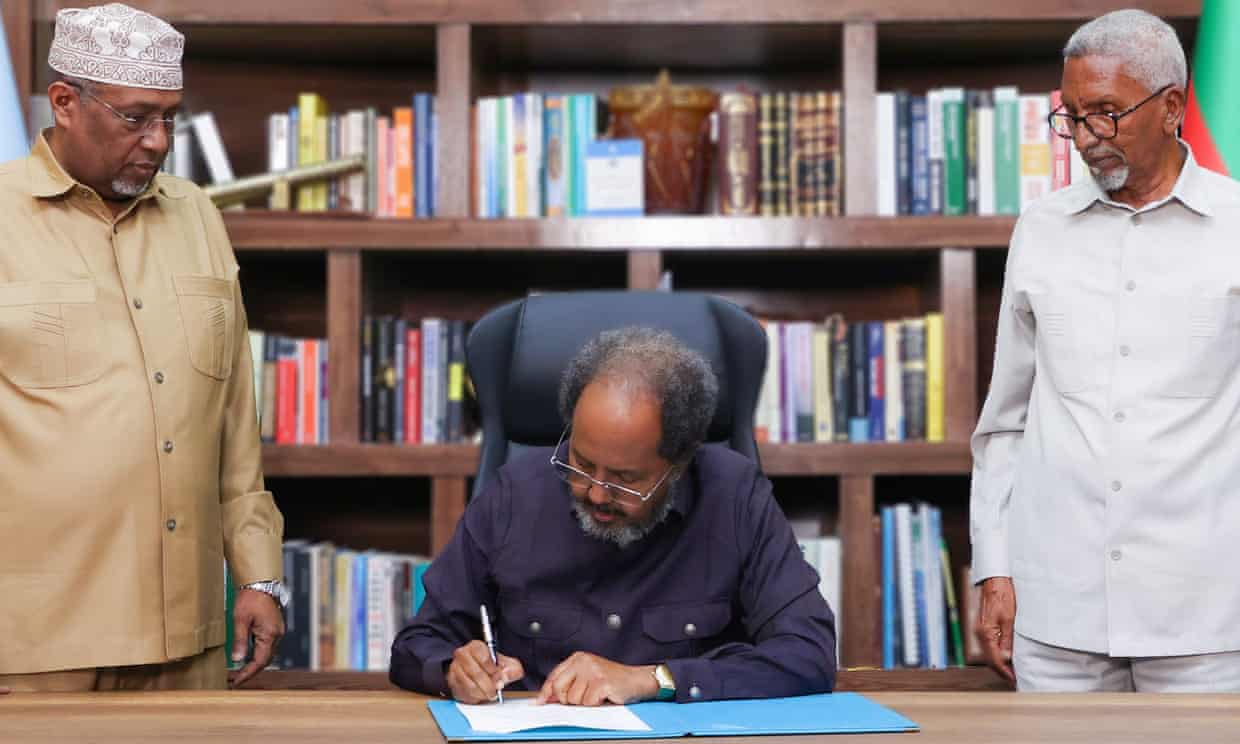
Somalia’s president signed a bill voiding a preliminary agreement for Somaliland to provide landlocked Ethiopia with port access to Somaliland’s coast, in a largely symbolic move intended to rebuke both parties over a deal that has inflamed tensions across the Horn of Africa.

In a post on X, Hassan Sheikh Mohamud said the bill was an “illustration of our commitment to safeguard our unity, sovereignty & territorial integrity as per international law”.

During a press conference, Matthew Miller, the spokesperson for the US State Department, stated that the United States, a substantial aid and security ally of both Somaliland and Somalia, acknowledges Somalia within its 1960 borders, encompassing Somaliland. He urged all involved parties to address their concerns through dialogue.

The UK issued a statement, emphasizing the importance of "full respect for sovereignty and territorial integrity," while advocating for "restraint and dialogue" to address outstanding issues. Additionally, Turkey's foreign ministry spokesperson voiced support for the "unity, sovereignty, and territorial integrity" of Somalia.

The African Union joined the United States in appealing for calm in the Horn of Africa after regional tensions soared following a contested deal between Ethiopia and the breakaway region of Somaliland.

Conclusion

The security situation in the Red Sea is complex due to various factors. Geopolitical tensions among countries like Saudi Arabia, Yemen, Sudan, Egypt, Eritrea, and Djibouti contribute to the region's challenges. Although piracy has decreased, it remains a concern, and the area faces threats from terrorism. Ongoing conflicts, particularly in Yemen, impact maritime routes. Major global powers maintain naval presence for security. Border disputes and environmental issues, such as oil spills and illegal fishing, add to the complexity. Humanitarian challenges, including refugee movements, also affect the region.

Recent developments, such as the Memorandum of Understanding (MOU) between Ethiopia and Somaliland, have the potential to escalate tensions further in the region. While the MOU grants Ethiopia access to the Red Sea via the port of Berbera, the Somali government strongly objects to this agreement, declaring it "null and void" and "unacceptable." This disagreement introduces additional complexities and risks to regional stability. International cooperation becomes even more crucial for addressing these challenges and ensuring stability in the Red Sea.


Sunday, 19 November 2023

Unyielding Resolve: Volunteers Sacrificing Lives for Humanitarian Aid in Palestine


19 November 

Kampala, Uganda


Introduction

A remarkable collection of people has evolved in the turbulent Palestinian territories, motivated by an unwavering dedication to helping and supporting those in need. These selfless volunteers, who commit their life to aid work, are trying to lessen the pain of those whose lives are impacted by the ongoing conflict in Palestine.

The Humanitarian Imperative

The need for humanitarian aid has never been greater in light of the ongoing difficulties brought on by the Israeli-Palestinian conflict. Local volunteers understand how critical it is to provide food, shelter, medical care, and educational materials to alleviate the everyday struggles Palestinian citizens confront. Their unselfish commitment is proof that people suffering from the effects of conflict may have their lives positively changed by group efforts.

Empathy in Action

These international and local volunteers are driven by a deep feeling of empathy and put out great effort to support communities who are struggling with the harsh reality of the conflict. Their deeds cut across national and international lines, highlighting the universality of compassion and the collective obligation of the international community to relieve human suffering.

Facing Risks Head-On

The humanitarian volunteers in Palestine knowingly face risks to deliver aid in areas where assistance is often desperately needed. Whether navigating conflict zones, providing medical care under challenging conditions, or rebuilding infrastructure amid the threat of violence, these individuals courageously confront the perils inherent in their mission. Their sacrifices underline the urgency of addressing the root causes of the conflict to create a safer environment for both aid workers and the communities they serve.

International Solidarity

The volunteers sacrificing their lives for humanitarian aid in Palestine are not isolated actors; they are part of a broader international network committed to promoting peace, justice, and human dignity. By garnering global support and raising awareness, these individuals amplify the urgency of addressing the humanitarian crisis in Palestine and contribute to a growing movement advocating for a just and lasting resolution to the conflict.


In conclusion, the volunteers sacrificing their lives for humanitarian aid in Palestine embody an unyielding resolve to alleviate the suffering of communities caught in the crossfire of conflict. Their actions, driven by empathy and a commitment to universal values, transcend political divides. As they face risks head-on and build bridges of understanding, these volunteers serve as beacons of hope, underscoring the urgent need for a collective, global effort to address the root causes of the conflict and pave the way for a more compassionate and just future in the region.

Wednesday, 1 November 2023

Islam Dünyasında Kudüs'ün Önemi ve Anlamı


Kudüs Müslümanlar için önemli bir yerdir, Peygamberimiz (sav)'e Kabe'ye namaz kılma emri verilmeden önce Müslümanların kıblesini belirleyen 3 mübarek mescidden biri olan Mescid-i Aksa bulunmaktadır. Kudüs için mücadele eden Filistinli Müslümanlar, sadece sömürgeciliğe karşı mücadele etmiyor, vatanseverlik ya da maddi hedef aramıyor, ilkeleri, inançları ve Müslümanlar için kutsal olan Kutsal Şehir sevgisi uğruna canlarını feda ediyorlar. Müslümanlar Allah'ın gönderdiği tüm Peygamberlere saygı gösterirler, Yahudi ve Hıristiyanlara da saygı gösterirler ve ibadet yerlerinin korunması da İslami uygulamanın omurgasını oluşturur.

Allah'ın bu evrene gönderdiği en asil ruhlardan bazıları Filistin topraklarında gömülüdür. Filistin'de İbrahim Aleyhi Selam, Yakub Aleyhim Selam, İshak (as)'ın da aralarında bulunduğu pek çok peygamberin mezarı bulunmaktadır, bazı müfessirlere göre Allah'ın peygamberlerinden 100'e yakın peygamberin mezarı bulunmaktadır. Filistin'de ayrıca Ubâde ibn el Samit, Şeddad ibn Evs ibn Sabit el Ensari ve Temim el Dari gibi Peygamberimizin en yakın sahabelerinden bazılarının mezarları da bulunmaktadır.

Yermük savaşından sonra Ebu Ubeyde Emir ibn Cerrah liderliğindeki Müslüman kuvvetleri Kudüs şehrini kuşattı. Yerel halk, İslam Halifesi Ömer bin Hadab'ın gelmesi şartıyla teslim olmayı kabul etti. Halife Hz. Ömer Bin Hadab, MS 637 yılında Filistin'e giderek şehrin anahtarlarını resmen ele geçirdi. Geldiğinde, Kudüs halkıyla, binlerce yıldır girişine izin verilmeyen Yahudilere üç dine de açık olan kapıları açan ünlü barış anlaşmasını imzaladı.

1967 yılında Filistin topraklarında İsrail adı verilen Yahudi devletinin kuruluşu başladı. Bu süreçte, Yahudilerin Filistin toplumunun arkasında olduğu komplo ve toprakların işgaliyle birlikte, burada ayrım gözetmeksizin halk katliamları yaşandı. Çocuklar, kadınlar, yaşlılar ve gençler ayrımı yapmadan birçok masum insan hayatını kaybetti. İsrail'in elinde ölen birinin cenazesi için Filistin halkının yas tutmadığı bir gün geçmiyor. Filistinli bir çocuk şöyle diyor: “Biz Filistin toplumuyuz, günde altı vakit namaz kılıyoruz. Beş farz namazı kılıyor ve cenaze namazı da ekliyoruz”.

İsrail'in bugüne kadar güç ve ekonomik olarak büyümesine yardımcı olan şey, Hıristiyan ülkelerin çoğunun inandığı Siyonizm düşüncesidir. Filistinliler sadece işgal ettikleri topraklar için savaşmıyorlar, aynı zamanda dini bir davayı temsil ediyorlar ve bu, Yahudi Devleti'nin veya İsrail'in varlığını korumanın kutsal olduğunu inanlara karşı savaşıyorlar. Joe Biden'ın İsrail ziyaretinde dile getirdiği gibi, "İsrail olmasaydı, bir İsrail icat etmek zorunda kalırdık." Ayrıca, dünya medyasının etkisini büyük ölçüde kontrol ettikleri ve ekonomik güçlerini artırdıkları iddiaları da bulunmaktadır; hatta bazıları ABD'yi gizlice kontrol ettiklerini öne sürmektedir. İslam ve Arap ülkelerinin, Şii gruplar dışında, genellikle kınama ve eleştiri dışında daha fazla adım atmamış olduğu bir gerçektir. Dünya üzerinde güç oyunlarına sahip gruplar bulunsa da, Müslümanlar, çağrı yapan tek hükümet ve iki ülke ile iş birliği yaparak bu durumu değiştirmeye kadar mevcut durumu değiştirmeyecekler.

Türkiye Cumhurbaşkanı Recep Tayyip Erdoğan bir konuşmasında "Kudüs'ü kaybedersek Mekke'yi, Medine'yi, İstanbul'u, Kahire'yi savunamayız" demişti. Bu açıklama, Kudüs'ü savunmadığımız takdirde Kudüs'ün İslam açısından öneminin kelimelerle sınırlı kalacağı anlamına gelmektedir. Bugün Kudüs'ü zorla ele geçirmeye cüret eden bir kişi, yarın Kabe'yi aynı şekilde ele geçirmeye cüret edebilir, bu da şaşırtıcı olmayacaktır. Mescid-i Aksa ve Haram Allah'ın evleridir. İnsanlar nasıl yeryüzünün temsilcileriyse, Müslümanlar da Allah evinin temsilcileridir. Bu duruşun bir örneği, Fil Suresi'nde ayrıntılı olarak anlatılan Kabe'yi yok etmeye yönelik Ebrehe'nin hikayesidir. Peygamber'in dedesi Abdul Muttalib, Ebrehe'ye şu cevabı verdi: “Benim sahip olduğum deveyi bana ver. Kabe, Allah'ın evi ve Allah senden ve senin kötü niyetlerinden koruyacaktır”.

Mevlana Hazretlerinin dediği gibi, "Bazen bitmek bilmeyen dertler yağmur olup üzerine yağar. ama unutma ki o rengârenk gökkuşağı yağmurdan sonra çıkar”. Filistin mücadelesi de zorluklarla dolu olsa da, umutsuzluğa kapılmadan mücadeleye devam etmek gerektiğini hatırlatır.

Nasıl ki; Hz Yusuf’u kuyudan alıp, Mısır'a Sultan, Hz Musa’yı Firavun'un sarayında yetiştiren, Hz Yunus (as)´ı balığın karnından çıkaran rabbim inşaallah Filistin'deki zorluklara barış ve adalet getirir.

Unutmayalım ki; karanlıklardan aydınlıklara çıkaracak tek güç, Allah´tır.

Unutma. “Her karanlık gecenin bir sabahı vardır. Her kışın baharı vardır”.

Gergin uykulardan, kör gecelerden bir sabah gelecek, kardan aydınlık sonra düğüm düğüm bilmecelerden bir sabah gelecek, kardan aydınlık…


Hep beraber aydınlık yarınlara inşaallah...


TASAWUF

  QUR’AANKA IYO SUNNADA AYAA LAGU GAARAA XAQIIQADA DHAMAYSTIRAN… Si qof Muslimka ah u gaaro derajada ah “Insaan dhameystiran”, midkamid ah h...