Tuesday, 5 September 2023

The Islamic Genius of the Horn of Africa: The Exemplary Life and Struggle of Imam Ahmet Gure


Somalia and the Horn of Africa are regions with a rich Islamic heritage and have been predominantly Muslim for centuries. The spread of Islam in the region can be traced back to the 7th century under the influence of trade networks and Arab traders. Over time, Islam became deeply rooted in Somali society and shaped its culture, law, and social structures. The majority of the Somali people are Sunni Muslims of the Shafi'i Madhab.

Somalia is a homogeneous nation of only Islam, but there is a wide spectrum of different religions among its neighbors; Among these religions are well-established Christian communities such as Ethiopians. The relationship between these two nations has not always been smooth. Conflicts between the two powers often stemmed from religious, political, and territorial tensions. One such example can be seen in the Ethiopian-Adal War (1529-1543). In this war, Imam Ahmed Gurey, who would become the leader of the Muslims in Somalia and the Horn of Africa, led the Eastern Adal Sultanate to fight Ethiopia (Abyssinian power). The life of this leader and the details of this war contain great lessons.

 Who is Ahmet Gurey?

In the 16th century, Ahmed b. Ibrahim al-Gazi, commonly known as Ahmed Gurey, was born on an unknown date in the city of Zeylac, Somalia. As a teenager, Gurey was raised in Harar, then Ethiopia, and was nicknamed "Gurey" (as Somali language "left-handed"). Ahmed Gurey had deep Muslim faith as a member of the Qadiriyya Sufi Dariqah. This belief has been a factor shaping both his religious and military goals.

 Rise to Power

Imam Gurey was one of the soldiers of Garad Abwan. During this period, he laid the foundation of his leadership and demonstrated his military capabilities. With the death of Garad Abwan and the fall of the Adal Sultanate in the grip of civil war in 1517, Ahmed Gurey became a powerful leader in the Adal Sultanate. He is known not only for his military strategies, but also for his charisma and leadership capacity. With the aim of spreading Islam, it has focused on expansion and has worked resolutely to achieve its unique vision and goals. Located in the Horn of Africa, the Adal Sultanate would rise as an important Muslim state under the leadership of Ahmed Gurey. However, it was necessary to oppose the divisions that would prevent this rise and the Ethiopian Christians who would take advantage of these divisions and imprison the Muslims. During the reign of Saaduddin, the leader of the Somalis, and the rulers who followed him, Christians constantly attacked Muslims, killed, plundered, took hostages, and even committed unacceptable acts such as burning them. It is for this reason that Imam Gurey's first act was to unite the divided Muslim people of Somalia and different ethnicities to eliminate this weakness.

Ahmed Gurey stands out as an important figure who left a mark in the history of Somalia. His religious beliefs, leadership abilities, and military strategies played a critical role in the rise of the Adal Sultanate. Until his death in 1543, Ahmed Gurey's success that marked regional history was his role in the Ethiopian-Adal War that took place between 1529 and 1543.

 Ethiopian-Adal War

The Ethiopian-Adal War, also known as the Abyssinian-Adal War, was a military conflict that took place between 1529 and 1543, between the Christian Ethiopian Empire and the Muslim Adal Sultanate. Primarily initiated by a Habesha priest named Dejeel Jaan, it was later countered by the efforts of a young 21-year-old Muslim leader and military tactician, Imam Ahmed, who united the Muslim forces and repelled the enemy. The two armies eventually clashed in a fierce battle at a location called Diir, where the Muslims emerged victorious, capturing 500 prisoners of war. During this time, under Imam Ahmed's influence, various communities in the Horn of Africa, including the Oromo nomads, embraced Islam. Leading up to the conflict, Imam Ahmed held a significant position at the head of a powerful state gaining influence within the interior of the Horn, poised to initiate a critical military assault against the Christian empire. Ethiopia, ruled by Emperor Lebna Dengel, was a formidable Christian empire known as Abyssinia, aiming to expand its territory and influence.

The Abyssinians considered themselves guardians of Christianity in the region and frequently clashed with neighboring Muslim states. With his forces united, Imam Ahmed believed it was time to challenge Emperor Lebna Dengel's rule and launched a series of military attacks against the kingdom. Following a series of conflicts, Imam Ahmed Gurey besieged the city of Harar and launched a jihad campaign. Over time, Muslims in the region were emboldened, and their forces were significantly unified. Soon, Muslim forces began to conquer Ethiopian regions such as Amhara, Laasta, and Shawa. Emperor Eksum fled and took refuge in the Tigray region. During this period, Imam Ahmed ordered the payment of jizya (tax on non-Muslims). Addressing Muslims, Imam Ahmed assured them that they should not fear Harar anymore, emphasized the need for everyone to focus on their tasks, predicted the end of oppression and the establishment of justice, and highlighted the importance of showing mercy to widowed women. On that day, Muslim prisoners held in Christian dungeons were released.

 Some Tactics in the wars

In addition to the trust he gave to the non-Muslims living in the areas he conquered, Imam Ahmet saw fit to release the captives in exchange for ransom. For example, in the battle of Ufaat, the Abyssinian king's aunt was taken prisoner, ruled by the judge, and then 50 ounces of red gold was paid by the king of Abyssinia. However, when we look at Imam Ahmet's practices in the war, we see that he remained far from worldly interests. When he entered the city of Candalba, which was ruled by the Abyssinian king, the Muslims there presented 20 ounces of gold to the Imam's wife to thank him. But Imam Ahmet refused this gift. In Rajab of 935 H. (August 1528), Imam left the city of Candalba and returned to the city of Harar with victory.

Imam Gurey's Last Battle

When Imam Ahmed Gurey returned to Harar, he sent a message to the Somali tribes to engage in a larger battle. A number of tribes, beginning with the Habar Magdi tribe, responded to the call for jihad. Then the imam began to prepare for a great war. He marched into Abyssinia, prepared his weapons, gathered his army, opened the treasury, and even sold the gold. He came to Zefa with his wife. Garad Din Binu was warmly welcomed and hosted by a good person like Adam. The Imam's pregnant wife gave birth to a son at Zefa, and the Imam's sister, Mu'nissa, remained a midwife there. When the Ethiopians learned of the imam's intentions, they took action. Troops from the Tigray region led by 24 priests also participated. Along with the Tigray priests came a man like Osman Dharar Ali, who was taken prisoner with his family and left Islam. However, this person later converted to Islam and joined the jihad until he was martyred.

While Imam Ahmad Gurey had largely conquered the Horn of Africa in the 1530s, the Christian Ethiopian kingdom decided to seek support from its European religious brethren. Therefore, in 1541, a Portuguese expedition led by Cristovao Da Gama arrived in support of Ethiopia. Thereupon, Imam Ahmed gathered an army supported by Arab and Turkish warriors from the Ottoman Governor of Yemen. He defeated and executed Da Gama at the Battle of Wofla in 1542, but the Ethiopians joined their emperor, Gelawdewos.

On February 21, 1543, Imam Ahmed Gurey and Portuguese forces faced off at the Battle of Wayna Daga. As the Imam's army came close to defeating the Christians, the Christians launched a counterattack and a single Portuguese soldier attacked the lines of Justice, killing Imam Ahmed by shooting him in the chest with an archebus. In this way Imam Ahmed Gurey was killed by the enemies. It is our hope that his place will be the place of martyrdom.

 Imam Gurey's Legacy

The death of Ahmet Gurey was a great blow to the jihadist movements. Imam Ahmad's death had a lasting impact on the Adal Sultanate, as the Adal Sultanate was too recently established to overcome tribal differences. His successors found it difficult to establish authority over the nomadic Muslim tribes, and the influence of the Adal state was mostly concentrated around the city of Harar. After his death, the Muslim kingdoms of Somalia experienced internal conflicts and power struggles. The absence of a unifying figure like Ahmed Gurey weakened their collective strength, and over time they lost ground to Ethiopian forces. However, Somali Muslims managed to preserve their religious and cultural identity in their own regions.

Ahmet Gurey is considered a hero for many Somalis and a symbol of resistance against Ethiopian imperialism. His military tactics such as guerrilla warfare and the effective use of firearms are often praised by historians. Also, his dedication to preserving Islam and his efforts to unite the various Somali tribes are considered significant achievements. However, historical interpretations may vary, and some Ethiopian perspectives may view Ahmed Gurey as a threat to their empire.

All in all, Imam Ahmed Gurey's struggle is a manifestation of his determination to defend the principles of Islam and protect the sovereignty of the Somali people. With his visionary leadership and strategic military campaigns, he challenged the power of the Ethiopian Empire and became a symbol of resistance against imperialist powers. Imam Ahmed Gurey's legacy means much more than his life and encourages future generations to fight for their faith and unite against oppression. His tactical genius has left its mark on the history of Somalia and Africa. Although his death marked a temporary setback for the Horn of Africa Muslim kingdoms, his memory continues to inspire resilience and determination. Imam Ahmed Gurey's struggle reminds us of the necessity of courage, strategic thinking and belief in values ​​in the fight for justice and freedom.

Perhaps an important teaching of his life is the importance of remembering the unity of Muslims and the necessity of having leaders who care about their religion and people. Otherwise, it may become more difficult for them to resist the infidels.

The original draft in Turkish: https://www.idrakpost.com/d/320/afrika-boynuzunun-islami-dehasi-imam-ahmet-gureyin-ornek-hayati-ve-mucadelesi
 

Saturday, 2 September 2023

Book Review

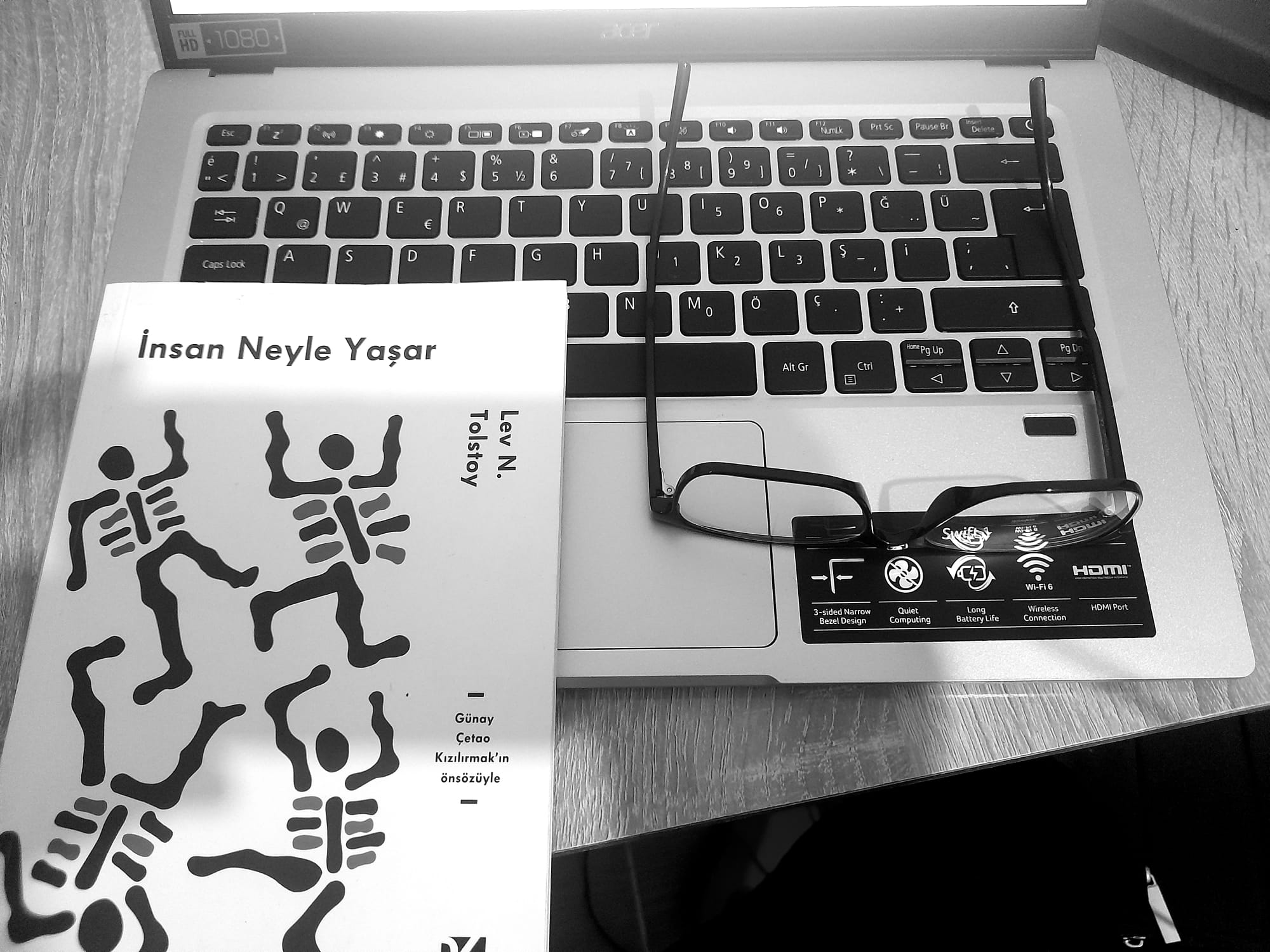
"What Men Live By"

Lev N. Tolstoy

Adana, Turkey


In Leo Tolstoy's "What Men Live By," the story appears simple on the surface, revolving around a stranger rescued by a poor shoemaker and his family. This stranger, Michael, turns out to be a fallen angel sent to Earth as punishment. Yet, beneath the surface simplicity, this tale holds profound lessons.

The story explores three profound questions that Michael must answer during his time on Earth: What is given to men? What is not given to men? And, what do men live by?

Firstly, it answers the question, "What is given to men?" in a surprising way: Love. Love, the essence of human existence, is not just a choice but something inherent in us. It's woven into every aspect of life, from family and friends to success and even in our relationship with the divine. Love is a fundamental part of who we are, even when it defies logic and reason.

Secondly, "What is not given to men?" refers to our limited understanding of our own needs. The rich man in the story, unaware of his impending death, raises the question of how our actions might change if we knew what we truly needed. This notion highlights our inherent human need to say goodbye, to seek closure and connection with others.

Finally, "What do men live by?" brings forth the idea that it's the love of others that sustains us. While material comforts like shelter and food are essential, it's the kindness, compassion, and love of others that truly give our lives meaning. The story emphasizes that our existence depends on the love and care we offer and receive from one another.

Finally "What Men Live By" is a deceptively simple yet profoundly meaningful story. It sheds light on the core of our humanity, emphasizing love, understanding our needs, and the interconnectedness that defines our lives. This story serves as a reminder that, in the grand scheme of things, it's love and compassion that truly define us and make life worth living. It's a recommended read, not only for its literary charm but also for the profound truths it imparts.

Tracking the Progress: Somalia's Ongoing Battle Against Extremism and the Al-Shabaab Threat


“Dalxoreeye ayaa dib u soo laabtay” Resounding Voices of the Somali People: “The Conqueror Returns” After the May 15th, 2022 Election.


Al-Shabaab, also known as Harakat al-Shabaab al-Mujahideen (HSM), is an Islamist militant group operating primarily in Somalia. The group has gained international attention due to its involvement in acts of terrorism, insurgency, and its attempts to establish an Islamic state in the region. Al-Shabaab emerged in the mid-2000s as a militant wing of the Islamic Courts Union (ICU), an Islamist organization that aimed to bring stability and Sharia law to Somalia. The ICU briefly gained control over parts of southern Somalia in 2006. However, its efforts were met with resistance from the Transitional Federal Government (TFG) of Somalia and Ethiopian forces.

In December 2006, Ethiopian forces intervened and ousted the ICU from power, leading to the dispersion of its leadership and fighters. Many members of the ICU, including some of its more radical elements, regrouped to form what would later become Al-Shabaab. The group was officially established in early 2007.

After 2007, Al-Shabaab started to expand in many parts of Somalia, they completely took control of Southern Somalia. The Al-Shabaab terrorist organization has caused a lot of trouble and destruction to the Somali people, by destroying the values ​​and honor of the scholars, the glory and the traces of the religion as well as killing innocent people while hiding under the cloak of religion. The Somali government, which has been recovering day by day since the civil war broke out in Somalia in 1991, has lost the strength and power to resist the enemy. Aden Hashi Ceyrow, who was one of the 3 leaders who founded the Al-Shabaab, was killed in the town of Dhusamreeb in the Galgaduud region in 2008 by the US forces. He received military training and lessons in Afghanistan. Among Al-Shabaab, he was known by the name (Macalin Aden) meaning teacher Aden. He was involved in the Gedo war between the Ethiopian and Ittihad forces in the mid-1990s. He was one of the men who led the war in 2006. The death of Macalin Aden did not affect the structure of Al-Shabaab as well as their operations in South and Central Somalia.


In 2011, the transitional government of Somalia succeeded in removing Al-Shabaab from the capital city of Mogadishu, where they defeated the Al-Shabaab after fierce battles between the Somali National Army and the peacekeeping forces of the African Union (AMISOM). A year after the removal of Al-Shabaab from Mogadishu, the first presidential election was held in Mogadishu after the fall of the central government in 1991, and Hassan Sheikh Mohamud was elected president. It was there that the struggle against Al-Shabaab began and was removed from the regions along Mogadishu in the Middle Shabelle and Lower Shabelle. President Hassan Sheikh fought hard against Al-Shabaab and succeeded in removing the control of Al-Shabaab from major cities such as Barawe, Eelbuur and Kismayo.


The terrorist organization Al-Shabaab not only sheds the blood of the Somali nation but also takes money from different parts of society, small businesses, educational institutions, and individuals who work for private companies. They have completely destroyed social interaction and love and there has been less trust as they have been mixed up in different parts of the administration.


In the past five years, there has been no face-to-face war with them, instead, there has been a resurgence of the Somali forces from the areas previously liberated from Al-Shabaab, which has caused them to strengthen militarily and economically, as well as attacks and explosions carried out in Mogadishu. On 15 May 2022, President Hassan Sheikh Mohamud was re-elected after 5 years in power of President Mohamed Abdullahi Farmajo. President Hassan said in his first speech that his most importan plan is to eliminate al-Shabaab from the country by completing the mission he started in 2012, Also, this term will not only fight in terms of military, but also in terms of ideology, economy, and media. There has also been a social uprising that broke out in the regions of Hiraan, Mudug and Galgaduud where the people have started resisting the Al-Shabaab and defending their religion, honor and beliefs. The federal government has led the mission called the eradication of the khawarij phase 1 in which the Al-Shabaab was freed from a most of Hiran region, Middle Shabelle, Mudug and Galgaduud, in less than 6 months, major cities including Mahaas, Adan Yabaal, Masajid Ali Gaduud, Haradhere, Eeldheer, Eelbuur and etc were freed.


The end of phase 1 will be followed by the beginning of phase 2 which will liberate Bay, Bakool, Lower Jubba, Middle Jubba and Gedo regions of which few parts are left in their hands. Phase 2 of the war will involve neighboring countries such as Ethiopia, Kenya, Djibouti, and Uganda, as they have agreed to be part of ending Al-Shabaab in Mogadishu, Kampala, and Addis Ababa meetings this year. President Hassan Sheikh made a visit to the city of Dhusamareeb in the Galmudug State, and it is said that he went there to confirm the completion of Phase 1 of the war. The question that is being asked is whether the elimination of Al-Shabaab will be successful.


Conclusion

The issue of Al-Shabaab and its impact on Somalia and the wider East African region is indeed a significant and complex one. Al-Shabaab has been involved in acts of terrorism, violence, and insurgency in Somalia for many years. It has caused tremendous suffering to the Somali people and posed a security threat to the entire region. It is not ignorable or dismissible that Al-Shabaab has been responsible for numerous massacres and destabilization in Somalia. The group has targeted civilians, government institutions, and African Union peacekeeping forces, leading to widespread suffering and instability. The consequences of their actions have been devastating, and addressing this threat is crucial for the well-being of the Somali people.

Political analysts and experts have consistently highlighted the importance of countering Al-Shabaab as a prerequisite for stabilizing Somalia and allowing the country to rebuild its government, infrastructure, and society. Al-Shabaab's activities have indeed impeded the functioning of the Somali government and hindered the country's progress. Efforts to combat and ultimately eliminate Al-Shabaab are essential for the future of Somalia and the East African region. A successful campaign against the group could pave the way for increased security, economic development, and political stability. Somalia, with its strategic location in the Horn of Africa, has the potential to be a regional leader and contribute positively to the stability of East Africa.

However, it's important to note that addressing the Al-Shabaab threat is a complex and multifaceted challenge. It requires not only military action but also political and socio-economic measures to address the root causes of extremism and provide opportunities for disaffected youth. Regional cooperation and international support are also vital in this endeavor.

Saturday, 12 August 2023

Raadka Islaamka ee Geeska Afrika: Noloshii iyo Halgankii Tusalaha ahaa ee Imaam Axmed Gurey


Soomaaliya iyo guud ahaan Geeska Afrika waa geyi leh oo qani ku ah hiddaha Islaamka ayada oo qarniyo badan kahor diinta islaamku soo gaartey. Fidinta diinta Islaamka ee gobolka waxaa laga soo billaabaa qarnigii 7aad oo ay saameyn ku yeesheen shabakadaha ganacsiga iyo ganacsatada Carabta. Muddo ka dib, Islaamku wuxuu si qoto dheer ugu dhex milmay bulshada Soomaaliyeed wuxuuna qaabeeyey dhaqankeeda, sharcigeeda iyo qaab-dhismeedkeeda bulsho. Inta badan dadka Soomaaliyeed waa muslimiin sunni ah oo ku abtirsada madhabka Shaaficiga.

Soomaaliya waa umad isku mid ah diin ahaan, laakiin waxaa jira diimo kala duwan oo deris la ah; Diimahaas waxa ka mid ah bulshooyinka Kiristaan ​​ah oo si fiican u dhisan sida Xabashida. Xidhiidhka ka dhexeeya labadan ummadood mar walba ma ahayn mid wanaagsan. Isku dhacyada labada quwadood ayaa inta badan ka dhasha xiisado diimeed, siyaasadeed iyo kuwo dhuleed. Mid ka mid ah tusaalahaas waxaa laga arki karaa Dagaalkii Xabashida iyo saldanadii Cadal (1529-1543). Dagaalkaas oo uu Imaam Axmed Gurey ahaa hoggaamiyaha Muslimiinta Soomaaliya iyo Geeska Afrika. Imam Ahmed hoggaaminayey Saldanadii Adal kuwaas halgan dheer la galey boqortooyooyinkii Itoobiya (Xabashida). Nolosha hoggaamiyahan iyo tafaasiisha dagaaladaas ayaa xambaarsan casharro waaweyn.

Waa kuma Ahmed Gurey?

Qarnigii 16aad, Axmed b. Ibraahim Al-Gaazi oo ku magac dheer Axmed Gurey, waxa uu ku dhashay magaalada Saylac ee Soomaaliya. Waxa uu ku soo barbaaray Harar, waxaana lagu naanaysi jiray “Gurey”. Axmed Gurey wuxuu ahaa nin aad ugu ad-adag diinta islaamka isagoo xubin ka ah dariiqada suufiyada Qaadiriyada, caqiidadiisa waxa ay ahayd arrinta qaabaysay yoolkiisa diineed iyo midkiisa ciidanba.

Imaam Gurey wuxuu ka mid ahaa askartii fardooleyda ee Garaad Abwaan. Mudadaas waxa uu dhidibbada u taagay hogaankiisa oo uu soo bandhigay awoodiisa ciidan. Geeridii Garaad Abwan iyo burburkii Saldanadii Adal ee dagaaladii sokeeye ee 1517, Axmed Gurey waxa uu noqday hogaamiye awood badan oo ka mid ah salaadiinta Adal, Laguma yaqaan oo kaliya xeeladaha ciidan, laakiin sidoo kale waxaa lagu yaqaanaa soo jiidasho iyo karti hogaamineed, Iyada oo ujeeddadiisu ahayd fidinta diinta Islaamka, waxuu xoogga saaray fidinta islaamka. 

Axmed Gurey waxa uu u taagan yahay shaqsi muhiim ah oo taariikhda Soomaaliya raad ku leh. Waxaa la aaminsan yahay in u dagaalankiisa diinta, kartidiisa hoggaamineed iyo xeeladaha ciidan ay ka dhigeen mid lama ilaawaan ah. Wuxuu geeriyoodey 1543-kii, guushii Axmed Gurey ee taariikhda gobolka ku suntan waxay ahayd doorkii uu ka qaatay dagaalkii Itoobiya iyo Adal ee dhacay intii u dhaxaysay 1529 iyo 1543kii.

Dhaxalkii Imaam Gurey

Geerida Ahmet Gurey waxay dhabar jab weyn ku noqotay dhaqdhaqaaqii mujaahidiinta. Geeridii Imaam Axmad waxay saameyn joogta ah ku yeelatay Saldanadda Adal, maadaama dhawaan la dhisay Saldanada Adal si looga gudbo khilaafaadyada qabaa’ilka. Madaxdii isaga ka danbeysey waxaa ku adkaatey in ay awood u yeelaan qabaa’ilka muslimiinta ee reer guuraaga ah, saameynta dowlad goboleedka Adal ayaa inta badan ku soo ururtay hareeraha magaalada Harar. Geeridiisii ​​kadib, boqortooyooyinkii Muslimka ahaa ee Soomaaliya waxay la kulmeen khilaafyo gudaha ah iyo loolan dhanka awoodda ah. Maqnaanshaha shaqsi mideeya sida Axmed Gurey oo kale ayaa wiiqday awooddoodii wadareed, muddo kadib waxay lumiyeen  awoodii ay kala hortagi jireen ciidamada Itoobiya. Si kastaba ha ahaatee, Soomaalida Muslimka ah waxay ku guulaysteen inay diintooda iyo dhaqankooda ku ilaashadaan. Isku soo wada duuboo halgankii Imaam Axmed Gurey ayaa muujinaya sida ay uga go’nayd  inuu difaaco mabaadi’da Islaamka iyo ilaalinta qaranimada ummadda Soomaaliyeed. Hogaamiye aragti fog iyo xeelad ciidan oo istiraatijiyad ku dhisan leh.


Gabagabdii Halgankii Imaam Ahmed Gurey ayaa astaan u ah caqiiqada toosan ee hogaamiyaha iney dhaxalsiin karto ku guuleysiga halgankasta oo u uku difaacato diinta islaamka iyo jiritaanka ummadda uu kasoo jeedo.

Thursday, 22 June 2023

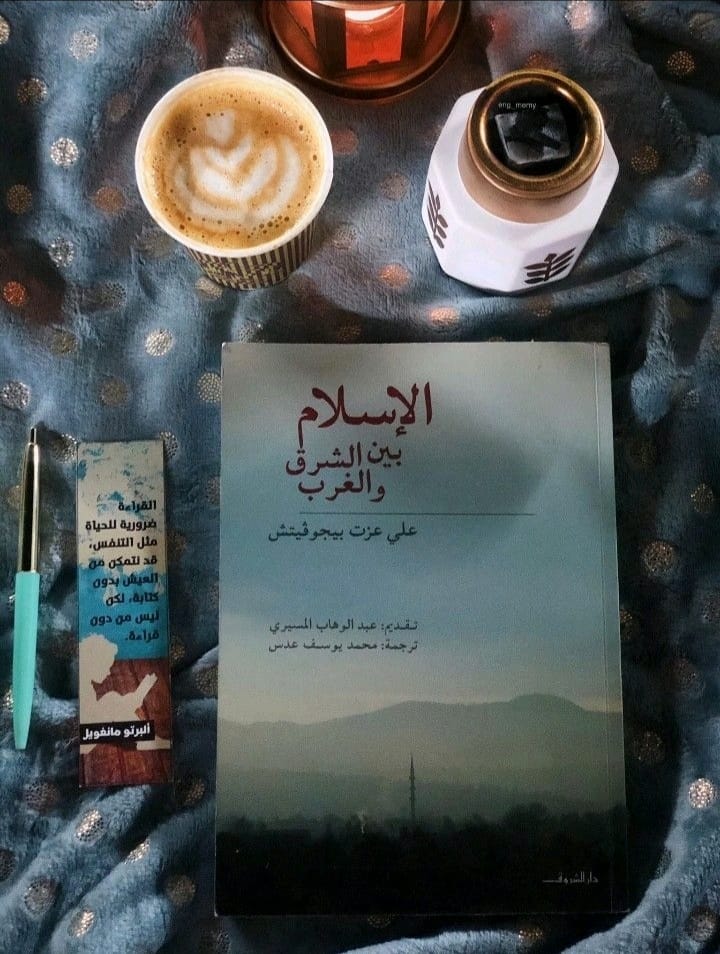
Ali Izzet Begović


Ali Izzet Begović was a prominent Bosnian Muslim intellectual, writer, and scholar. He was born in Sarajevo, Bosnia and Herzegovina, and is widely regarded as one of the most influential thinkers in the Muslim community of the former Yugoslavia.

Begović's works encompass a wide range of topics, including philosophy, religion, and social and political issues. He wrote extensively on the themes of Islam, modernity, and the relationship between East and West. His writings often emphasized the importance of dialogue, understanding, and tolerance between different cultures and religions.

One of Begović's notable books is "Islam Between East and West" (original title: "Islam između Istoka i Zapada"), which explores the cultural, historical, and intellectual encounters between Islam and the Western world. The book provides a critical analysis of the challenges faced by Muslims in a globalized society and promotes a nuanced understanding of Islam's place in the contemporary world.

"The Islam between East and West" offers a valuable perspective for Muslim youth seeking to understand Islam in the context of our interconnected world. It promotes cultural understanding, encourages dialogue, addresses contemporary challenges, nurtures a global Islamic identity, and inspires personal growth. By engaging with this book, you can broaden your horizons, strengthen your faith, and become an empowered individual who contributes positively to both Muslim and non-Muslim communities.

Mohamaduu Moallim

Wednesday, 21 June 2023

What Erdoğan's re-election menas for İslam World


Turkey presents a distinctive case study of the intricate relationship between religion and politics. Recep Tayyip Erdogan's victory in the recent Turkish Presidential election showcased his strong appeal to Islamic devotion. On the other hand, Kemal Kilicdaroğlu, advocating for modern social democracy, received only 44.9% of the initial vote, leaving little possibility of surpassing Erdogan's 49.5%. Two contrasting mindsets significantly shape Turkey's national identity. Kemal Atatürk, a revolutionary nationalist, established the modern Turkish secular state in 1923 after the collapse of the Ottoman Empire in World War I. Influenced by French laïcité, Atatürk aimed for a complete separation of religion from the public sphere, with Turkey's 1928 secular constitution traditionally supported by the military. However, others express passionate religious commitment within the framework of moderate, devout Islamic conservatism.

Back in 2002, the US Brookings Institution acclaimed Erdogan's Justice and Development Party (AKP), which had just risen to power, as a symbol of democracy. It appeared to present a "new model" for the Islamic world. A year later, Erdogan became the Prime Minister. His focus on modernizing the transportation system, political astuteness, and adept handling of deep nationalist tensions, all while embracing Islamic values within the AKP, have steadily consolidated his power. The reelection of Tayyip Erdogan was celebrated by numerous African and Islamic nations, as the Turkish government and NGOs consistently provide aid to many of these countries. This perception positions Erdogan as a suitable Islamic leader, as believed by a significant portion of the Islamic community. Therefore, his reelection has brought about significant changes not only for Turkey and its people but also for the broader Islamic world.

During Tayyip Erdoğan's speech at the United Nations on 2021 he emphasized the idea that the world extends beyond the influence of just five countries. His passionate advocacy for Palestine and Jerusalem (Quds) has positioned him as a significant symbol for Muslims and Islamic nations. The statement made by the US President indicating support for opposition within Turkey led many to speculate that Erdogan's time in office was nearing its end. However, the Turkish people have made it clear that their own needs and priorities take precedence over external opinions or interventions.


TASAWUF

  QUR’AANKA IYO SUNNADA AYAA LAGU GAARAA XAQIIQADA DHAMAYSTIRAN… Si qof Muslimka ah u gaaro derajada ah “Insaan dhameystiran”, midkamid ah h...